A probate sale happens when real property is part of a deceased person's estate and must be sold as part of settling that estate. The California Probate Code governs the process, and the amount of court involvement depends on one key factor: whether the executor or administrator has been granted independent authority under the IAEA.
Do probate sales in California require court confirmation?
California probate sales follow one of two paths.
Court-confirmed sales require the court's approval before a sale can close. The property is listed, an offer is accepted, and that offer is presented to the court at a confirmation hearing. At the hearing, any member of the public may overbid. The minimum overbid is the accepted offer price plus 10% of the first $10,000, plus 5% of the remainder — so on an accepted offer of $800,000, the minimum overbid at the courthouse would be $841,000. The sale closes only after the court confirms it.
IAEA sales — under the Independent Administration of Estates Act — allow an executor or administrator with full independent authority to sell without court confirmation. The property is listed, an offer is accepted, and heirs are given a 15-day notice period. If no heir objects, the sale proceeds and closes like a conventional transaction. There is no overbid hearing. IAEA sales are faster and simpler when the court grants full authority.
Whether independent authority is available depends on what the will specifies, whether all heirs consent, and what the court grants at the initial hearing. Many estates qualify; some do not. An estate attorney handles that determination — my role is the property itself.
In both cases, probate timelines are longer than a conventional sale. From the time a petition is filed, it typically takes several months before a sale can close. Planning for that timeline — in pricing, maintenance, and managing heir expectations — matters.
How an appraisal background applies to probate pricing
Before moving into real estate sales, I ran my own appraisal firm in Silver Lake for 14 years. Over that career, I completed an extensive number of probate and estate appraisals — date-of-death valuations, retrospective appraisals for stepped-up basis calculations, and appraisals commissioned by attorneys to support the probate petition. I understand what those reports are for and how they're used by the court and the IRS.
In a court-confirmed sale, the accepted offer must be at least 90% of the court-appraised value — so the appraisal sets a pricing floor that the listing has to respect. In an IAEA sale, there's no mandatory floor, but pricing too low invites heir objections during the 15-day notice period. Either way, the ability to arrive at a defensible, market-supported price — one the estate can stand behind if challenged — is directly relevant to how I approach these listings.
I don't perform appraisals for active clients; that would create a conflict. But the background informs how I read comps, justify pricing, and communicate value to heirs and attorneys.
Recent probate transactions
I've closed several probate sales on the brokerage side, with more currently in progress. The two below are representative examples — not the full extent of this work.
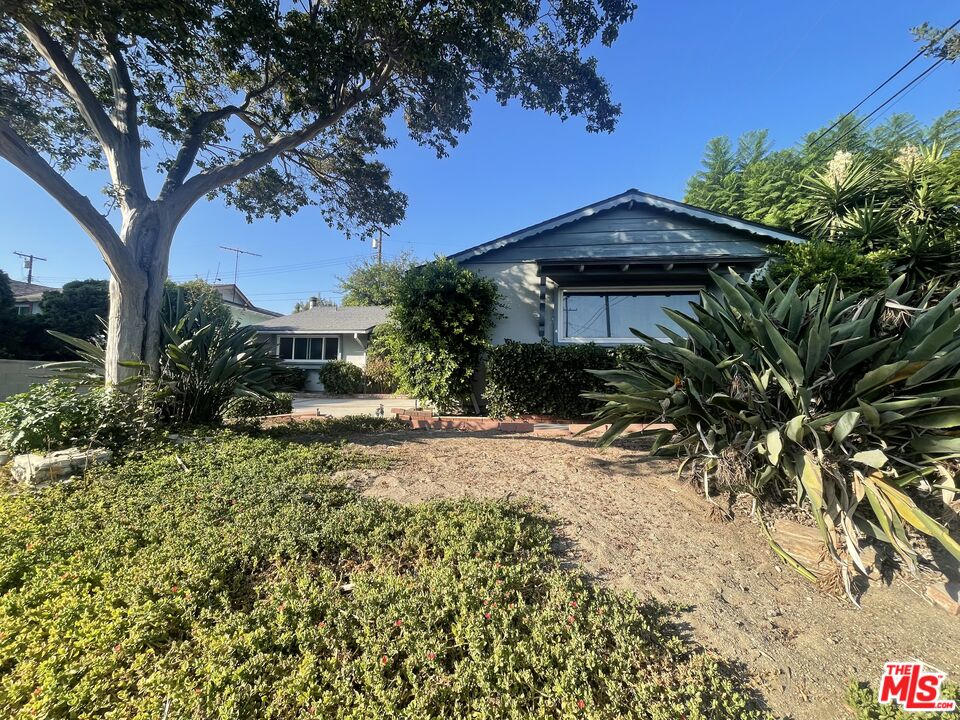
A single-story ranch home sold through probate, represented the estate on the listing side. Listed at $799,000, the property received more than 20 offers and sold for $855,000 — approximately 107% of list price, about $56,000 over asking. Priced to reflect as-is condition while remaining competitive with the surrounding market.
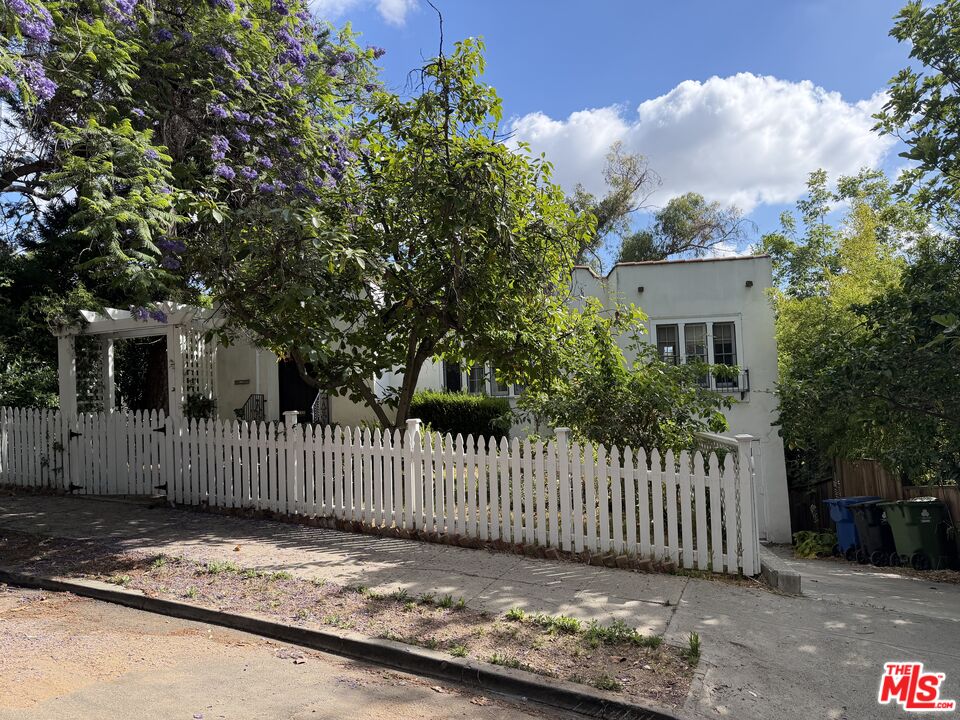
A single-story Spanish-style probate sale in Silver Lake, represented the estate on the listing side. Listed at $995,000, the property sold for $1,110,000 — approximately 111.6% of list price. Closed July 2026.
Working with executors and estate attorneys
Most of this work comes through referrals — from attorneys, CPAs, and families who've been through the process before. If you're an executor or administrator trying to understand what a sale would look like, or an estate attorney looking for an agent who knows the paperwork and won't create problems at the courthouse, I'm happy to have that conversation.
Some inherited estates include multi-unit properties or shared-ownership structures — if a Tenants in Common (TIC) sale is part of the estate, that's work I've done as well.
There's no obligation in talking through a situation. If the timing isn't right, or the estate's needs are better served a different way, I'll say so.